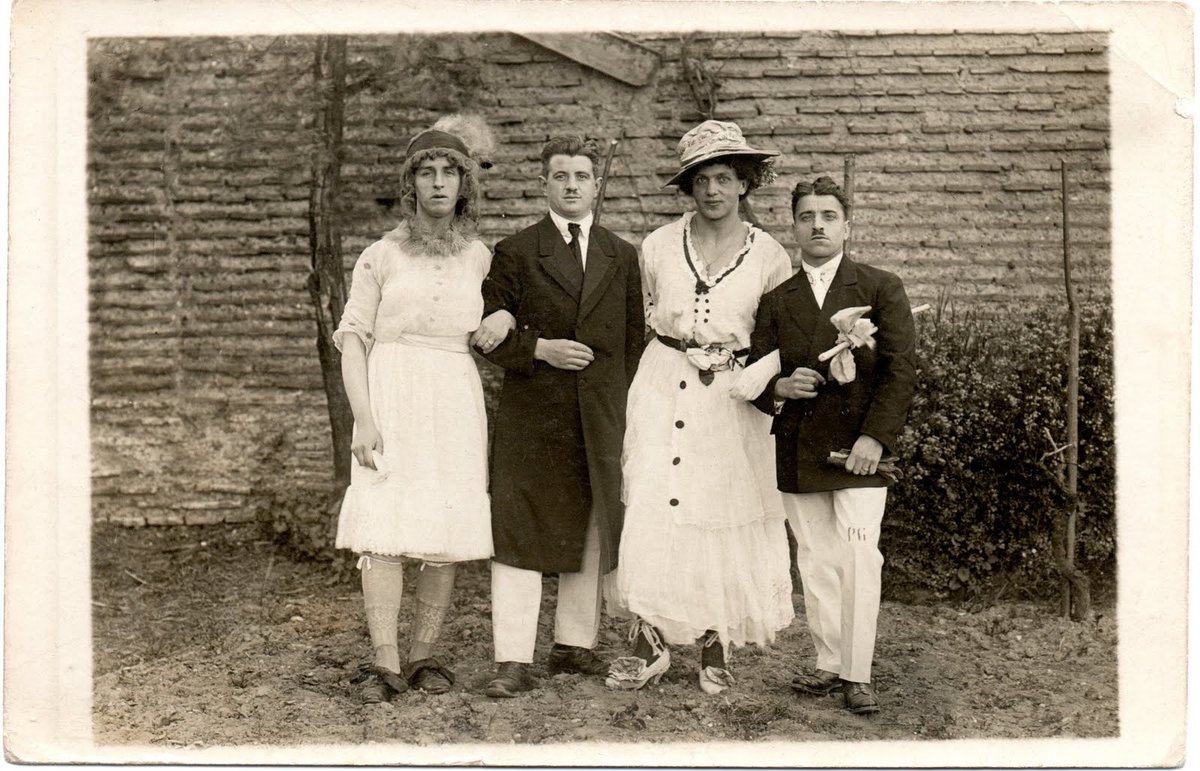
Long before the bright lights of Broadway or the hallowed halls of the West End, theatre flourished in a far more intimate, yet equally vibrant, setting: the local stage. The History & Impact of Amateur Dramatics isn't merely a tale of community plays; it's a profound narrative of human connection, cultural resilience, and the enduring power of storytelling driven by passion, not profit. From its ancient origins to its vital role in modern society, amateur dramatics has consistently served as a mirror, a teacher, and a gathering place for communities worldwide.
It’s a tradition that has weathered religious prohibitions, royal decrees, professional rivalries, and funding cuts, always finding a way to persist because its roots run deep in the human desire to create, connect, and celebrate.
At a glance: The Enduring World of Amateur Dramatics
- Ancient Roots: Traces back to medieval mystery and miracle plays, teaching biblical stories to the public.
- Resilience: Survived theatre closures (e.g., Cromwell's era) by adapting to private performances.
- Formal Emergence: The 19th century saw the formation of dedicated amateur dramatic societies, despite professional opposition.
- Cultural Lifeline: Post-WWII, initially supported by CEMA (now the Arts Council) for its social and therapeutic benefits.
- Irish Identity: Instrumental in the Irish Literary Revival, fostering national identity through plays about ordinary people.
- Community Core: Provides vital social connection, skill development, and cultural preservation.
- "Amateur" Misconception: The term, from "amare" (to love), often wrongly implies low quality, overshadowing the dedication of participants.
- Modern Relevance: Continues to thrive globally, offering accessible theatre and a creative outlet for millions.
Echoes from the Past: Amateur Theatre's Ancient Roots
To truly appreciate the enduring spirit of amateur dramatics, we must cast our gaze back to an age when storytelling wasn't just entertainment, but an essential tool for education and spiritual guidance. In Britain, the journey begins in the Middle Ages, with storytellers evolving into what we now know as mystery and miracle plays of the fifteenth century. These were not plays put on by professional troupes for ticket-holders in purpose-built theatres; rather, they were community-driven spectacles.
Imagine a bustling town square, where the local guilds and townspeople would come together, not just as an audience, but as performers. These plays served a crucial purpose: teaching Bible stories to a public that largely didn't speak Latin. They were vibrant, often boisterous productions, bringing sacred narratives to life in a relatable, accessible way. By 1500, the importance of these performances was such that many towns and villages had already designated spaces for their staging, a testament to their deep cultural integration. This early form of public performance, driven by communal effort and a shared purpose, laid the bedrock for what would eventually become modern amateur theatre.
Through Reformation and Restoration: The Cradle of Modern Amateurism
The religious and political landscape of Britain dramatically reshaped the theatrical world. Following the Reformation, the very plays that had once been central to public life – the religious mystery and miracle plays – were gradually prohibited. This shift didn't extinguish the flame of performance, but rather forced it to seek new sources of light. Acting troupes, no longer able to rely on church or community-wide religious patronage, increasingly sought support from noblemen, transitioning theatrical activity into a more private, courtly affair.
Then came the seismic shock of 1642, when Oliver Cromwell, in his staunch Puritanical zeal, ordered the closure of all theatres. For nearly two decades, public stages went dark. Yet, the human impulse to perform, to share stories, and to gather for communal enjoyment could not be entirely suppressed. This era gave rise to "private theatricals," where wealthy individuals, often noble families, would stage performances for their friends and invited guests within their own homes or estates. These intimate, often exclusive, gatherings are widely considered the genesis of modern amateur theatre as we understand it today – performances undertaken for the love of it, by people who were not professional actors, primarily for a social, rather than commercial, purpose. It was theatre by and for the community, even if that community was a privileged one.
The Rise of Societies: From Exclusive Salons to Village Halls
As Britain emerged from the strictures of the Interregnum, theatre slowly began its public resurgence. However, the spirit of private theatricals had taken root, evolving into something more organized and enduring. The year 1801 marked a significant milestone with the formation of Britain's first formal amateur dramatic society: the upper-class Pic-Nic Society. This wasn't just a group of friends putting on a play; they were an organized body, staging variety shows at the Tottenham Street Theatre.
These events were as much about social gathering as they were about performance. Actors and audiences mingled, sometimes blurring the lines within the audience space itself, creating a lively, immersive atmosphere. This burgeoning amateur scene, however, was not without its detractors. In 1802, professional actors voiced their protests, fearing competition and a dilution of their craft. This tension, the professional wary of the amateur, is a thread that would weave through the subsequent history of amateur dramatics.
Despite the initial snobbery, the appeal of amateur theatre proved irresistible. By the late 19th and early 20th centuries, dedicated amateur theatre associations began to emerge across the land, demonstrating the profound cultural value of these groups. In many rural areas, where access to professional theatre was non-existent, the local amateur dramatic society became the sole accessible provider of live entertainment, a cultural anchor for the community. These groups became vital hubs, not just for performance, but for social cohesion, fostering local talent and creating shared experiences that enriched village and town life.
War, Culture, and a Shifting Perception: CEMA's Legacy
The mid-20th century presented both opportunities and challenges for amateur dramatics, particularly in Britain. The dark clouds of World War II prompted the establishment of the Council for Encouragement of Music and the Arts (CEMA) in 1940. CEMA's mission was clear: to preserve and promote British culture during a time of immense national crisis, recognizing that art and community were vital for morale and identity.
Initially, CEMA generously supported amateur theatre, understanding its multifaceted benefits. They recognized its cultural significance, its power to foster social connections, and its crucial therapeutic value, offering escapism and creative expression amidst the hardships of war. This period marked a peak in the official recognition of amateur theatre's societal importance.
However, a significant shift occurred in 1956 when CEMA (which would later evolve into the Arts Council) made the controversial decision to cease funding amateur theatre productions. This withdrawal of support forced groups to become entirely self-funding, relying on ticket sales, membership fees, and local fundraising efforts. The immediate consequence was a struggle for resources, which, in turn, contributed to a public perception of amateur theatre as being "rough around the edges" or inherently less polished than professional productions.
This era also saw a subtle yet impactful semantic shift in the term "amateur." Derived from the Latin "amare," meaning "to love," it was once an endearment, signifying someone pursuing an activity purely for passion. Post-CEMA, however, it increasingly took on a pejorative connotation, becoming almost an insult, implying a lack of skill or seriousness. A combination of this professional rivalry, lack of funding, and evolving public perception created a persistent snobbery towards amateur theatre. Yet, despite these challenges, the participants themselves remained, and continue to remain, passionately dedicated. Amateur theatre has not only endured for centuries but has often done so even when professional theatres closed, proving its deep, unwavering embedding in British culture.
Ireland's Dramatic Soul: Forging Identity on the Amateur Stage
Across the Irish Sea, amateur drama boasts an equally robust and culturally significant tradition, particularly in rural areas where it continues to offer unique opportunities for both participation and entertainment. For Ireland, the amateur stage became a crucible for national identity, especially during the Irish Literary Revival in the second half of the 19th century. As the nation sought to define itself, writers turned to theatre to explore Irish stories, folklore, and the lives of its ordinary people, creating new plays that consciously aimed to forge a distinct Irish identity independent of British influence.
Key figures in this transformative period included literary giants such as William Butler Yeats, Lady Gregory, John Millington Synge, and Sean O’Casey. Their work laid the groundwork for a truly national theatre. In 1903, the vision coalesced with the founding of the Irish National Theatre Society by Yeats, Lady Gregory, George Russell, Edward Martyn, and Synge. Crucially, they secured funding from the English theatre patron Annie Horniman, allowing their dream to become a reality.
The culmination of this effort was the opening of the Abbey Theatre in Dublin on December 27, 1904. Its inaugural night featured the premieres of On Baile’s Strand by W.B. Yeats and Spreading the News by Lady Gregory, marking a pivotal moment in Irish cultural history. This new theatre, and the plays it championed, were not always met with universal approval. J.M. Synge’s The Playboy of the Western World, for instance, famously caused riots in 1907 due to its perceived controversial portrayal of Irish rural life. The controversy even followed the cast during a 1912 US tour, where they faced arrest for performing "immoral or indecent" plays.
Despite, or perhaps because of, these controversies, these plays resonated deeply with audiences. They focused on ordinary people, their struggles, their folklore, and the nuances of the peasantry, fostering a sense of pride and making drama accessible and relevant throughout Ireland. The amateur groups across the country eagerly embraced these new works, bringing these stories of Irish life to every corner of the island, solidifying the amateur stage's role as a vital custodian of national storytelling.
The People's Playwright: John B. Keane's Enduring Appeal
Among the pantheon of Irish playwrights, John B. Keane (1928-2002) stands out as a titan whose work resonated profoundly with both professional and, perhaps even more so, amateur theatre groups. From Listowel, Co Kerry, Keane was a prolific playwright, novelist, and essayist who possessed an unparalleled ability to capture the authentic voice and spirit of rural Ireland.
His early plays, including Many Young Men of Twenty (1956), Sive (1959), The Year of the Hiker (1963), The Field (1965), and Moll (1971), often sparked controversy. Keane bravely gave voice to marginalized members of society, tackling themes that were sometimes uncomfortable but always true to life. While initially written for professional theatre companies, the raw honesty, rich characterization, and deep understanding of Irish rural life in Keane's plays made them immensely popular with amateur, particularly rural, theatre groups. These groups found in his work a reflection of their own communities, their own struggles, and their own joys. Performing Keane's plays became a way for communities to tell their own stories, often with humor and pathos in equal measure.
This tradition continues vibrantly today. For instance, the Cloonacool Players will stage John B Keane’s comedy Moll at Cloonacool Community Centre, embodying the enduring appeal of his work for local groups. Similarly, the Western Drama Festival in Tubbercurry, an annual celebration of amateur theatrical talent, showcases how these community-led productions keep the flame of Irish drama burning bright. Keane’s legacy is a powerful reminder that the heart of theatre often beats strongest in the hands of those who perform purely for the love of it, bringing powerful stories to life for their neighbours and friends.
Beyond the Footlights: The Profound Impact of Community Theatre
The narrative of amateur dramatics isn't just about its past; it's profoundly about its present and future impact. While the history provides context, the ongoing contributions of community theatre groups are where its true value lies. These aren't just stages for plays; they are incubators of talent, bastions of community spirit, and vital organs in the cultural body of our towns and villages.
Community Cohesion: Building Bonds Through Shared Vision
Perhaps the most palpable impact of amateur dramatics is its unparalleled ability to foster community cohesion. A production, from its first read-through to its final curtain call, requires dozens, sometimes hundreds, of volunteers – not just actors, but directors, stage managers, set builders, costume designers, lighting and sound technicians, front-of-house staff, marketers, and more. This collaborative effort creates deep social bonds, bridging generations and backgrounds. It's a place where strangers become friends, united by a shared purpose and the exhilarating challenge of bringing a story to life. For many, the drama group is a second family, a crucial social network in an increasingly disconnected world.
Skill Development: More Than Just Memorizing Lines
The skills honed within an amateur dramatic society extend far beyond acting. Participants develop:
- Performance Skills: Acting, singing, dancing, public speaking, improvisation.
- Technical Skills: Stage management, set construction, lighting design, sound engineering, prop creation.
- Creative Skills: Costume design, makeup artistry, script adaptation, directing.
- Soft Skills: Teamwork, problem-solving, time management, leadership, confidence, critical thinking, communication, resilience, and adaptability under pressure.
These skills are invaluable, transferable to all aspects of life, from professional careers to personal development. For young people, in particular, participation in amateur theatre can be a transformative experience, building self-esteem and providing a safe space for creative expression.
Cultural Preservation & Local Storytelling: Keeping Heritage Alive
Amateur theatre often acts as a guardian of local culture and history. By staging plays that reflect local dialects, historical events, or folklore, these groups ensure that unique aspects of a community's heritage are not lost. They provide a platform for local playwrights and stories, enriching the cultural landscape with narratives that resonate deeply with the immediate audience. Whether it's a historical pageant or a contemporary play reflecting current local issues, community theatre serves as a vibrant archive and a living commentary.
Accessibility & Inclusion: Theatre for Everyone
In contrast to the often high cost and limited access of professional theatre, amateur dramatics offers an inclusive and accessible entry point for both participants and audiences. It democratizes theatre, making it available to individuals regardless of their economic background or prior experience. For audiences, it provides affordable, high-quality entertainment close to home. For participants, it removes barriers, welcoming anyone with a passion for theatre, fostering a diverse and representative creative environment.
Therapeutic Benefits: An Outlet for Well-being
As CEMA recognized back in the 1940s, the therapeutic benefits of theatre are undeniable. Participation offers an escape from daily stresses, a chance to explore different characters and emotions, and a powerful outlet for self-expression. The camaraderie, the sense of achievement, and the sheer joy of performance can significantly boost mental well-being, reduce feelings of isolation, and build confidence. It's a form of active engagement that nourishes the soul.
Economic Ripple: A Local Engine
While not profit-driven, amateur dramatic societies do contribute to the local economy. They purchase materials for sets and costumes, hire local venues, print programs, and often patronize local businesses for refreshments and supplies. Furthermore, many groups act as powerful fundraising engines, generating money for local charities, community projects, or their own sustainability, reinforcing their integral role in the broader community ecosystem.
Debunking the "Amateur" Myth: Reclaiming a Term of Passion
The word "amateur" has, for too long, been unfairly burdened with negative connotations, often implying a lack of skill or professionalism. This perception flies in the face of the true spirit and dedication that underpins community theatre. It's time to reclaim the term, remembering its Latin root, "amare," which means "to love." Amateur performers are those who participate for the love of the art, for the love of the community, and for the sheer joy of creating.
Many amateur productions achieve incredibly high standards, rivaling professional counterparts in terms of performance quality, technical execution, and emotional impact. The commitment shown by individuals who balance full-time jobs, family responsibilities, and often significant personal sacrifices to rehearse and perform is immense. They are driven by an intrinsic motivation that money simply cannot buy.
The snobbery that occasionally surfaces, often from those who fail to grasp the profound community and cultural value of these groups, misses the point entirely. Amateur theatre is not a lesser form of professional theatre; it is a distinct and equally vital part of the theatrical landscape. It offers unique opportunities for participation, skill development, and community building that professional theatre, by its very nature, cannot always provide. It is a testament to the human spirit's innate need for storytelling and connection, performed by people who give their time and talent freely, purely out of love.
Getting Involved: Your Invitation to the Stage and Beyond
The enduring History & Impact of Amateur Dramatics is a powerful testament to humanity's inherent need for stories, connection, and creative expression. From the medieval marketplaces to today's village halls, this vibrant tradition has consistently adapted, survived, and thrived, often against considerable odds. It's a living, breathing testament to the passion of countless individuals who bring characters and narratives to life, not for fame or fortune, but for the sheer love of it.
If this journey through time and impact has sparked an interest within you, whether as an aspiring performer, a backstage wizard, or simply a keen audience member, know that the world of amateur dramatics welcomes you with open arms. There’s a role for everyone, regardless of experience or perceived talent. From acting, singing, or dancing to stage managing, set building, costume design, lighting, sound, or even just helping with marketing and front-of-house duties – every contribution is invaluable.
Seek out your local drama society. Attend a performance, volunteer for a production, or simply lend a hand. You'll discover not just a creative outlet, but a vibrant community, a place of belonging, and a chance to be part of something truly special. And if you're curious about the diverse and dedicated individuals who pour their hearts into these productions, you might enjoy learning more about the people behind the scenes and on stage; you can Meet The Village Cast and see for yourself the passion that drives them.
The stage, in all its forms, is waiting. It is a place where stories are told, communities are built, and the magic of theatre continues to thrive, powered by the unwavering love of its participants.