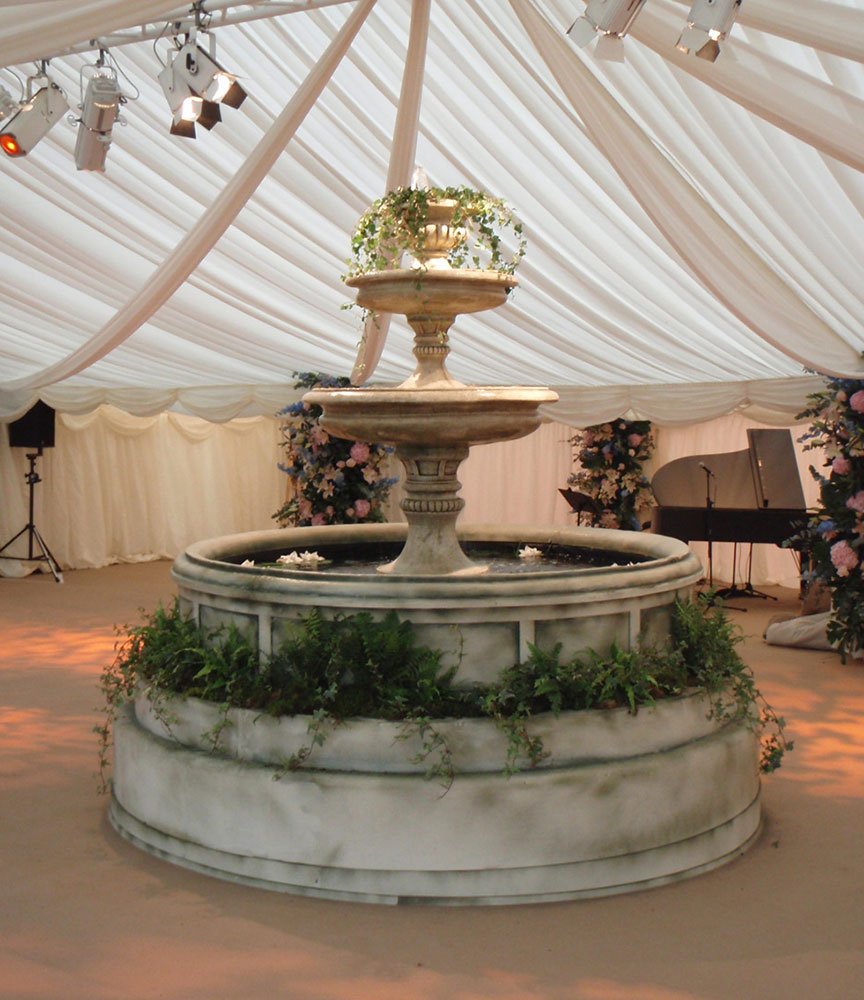
Creating magic on stage or screen for an amateur production doesn’t require a Hollywood budget or a professional design team. In fact, tackling Set, Costume, and Prop Design for Amateur Productions is one of the most creatively rewarding challenges you'll face. It's about clever problem-solving, maximizing limited resources, and transforming ordinary materials into extraordinary storytelling elements. Forget about grand budgets; we're going to talk about grand vision, smart choices, and practical execution that truly makes a difference.
At a Glance: Your Blueprint for Amateur Design Success
- Start with the Script: Your design bible for every creative decision.
- Budget Smart: Embrace thrifting, borrowing, and DIY to stretch every dollar.
- Foam is Your Friend: Lightweight, cheap, and versatile for sets and props.
- Character First: Costumes tell stories; ensure they match the person, not just the era.
- Fit and Test: Always fit costumes on actors and test them under actual lighting.
- Continuity is Key: Document everything to avoid jarring inconsistencies.
- Organize for the Future: Keep track of items for returns and future productions.
The Power of Design: Why It Matters, Even on a Shoestring
In any production, professional or amateur, sets, costumes, and props are silent storytellers. They establish the world, define characters, and guide the audience's emotions. Skimping on these elements doesn't just look bad; it can undermine your entire narrative. A well-designed set transports your audience, a thoughtfully chosen costume reveals a character's inner life, and the right prop can become an iconic symbol. For amateur productions, this isn't about perfection; it's about thoughtful intention and making the most impactful choices with what you have. It’s about building a believable, immersive experience on a budget that probably involves more heart than cash.
Deciphering the Story: Your Script as the Ultimate Design Guide
Every design journey, from a blockbuster film to your local community play, begins with the script. It’s your sacred text, dictating everything from Johnny's pajamas to a fantastical forest backdrop. Blauw Films, in their extensive guide to costume design, rightly emphasizes the script as the foundation, and that holds true regardless of scale.
Breaking Down the Narrative with Designer Eyes
Before you sketch a single tree or consider a fabric swatch, you need to dissect the script. Don't just read it; immerse yourself in it.
- General Production Breakdown (Your First Pass): Read through, highlighting every character, prop, location, specific effect, and any mention of clothing. Is it raining? Is it hot? Does a character change clothes often? Mark it all. This initial pass gives you a broad overview.
- Department-Specific Breakdown (Your Deep Dive): Now, focus specifically on set, costume, and prop mentions.
- For Costumes: List every character, every scene they appear in, and any specific garments mentioned (e.g., "Sarah's worn blue dress," "King Arthur's crown"). Consider factors like multiple takes (do you need doubles?), weather, and background actors.
- For Sets: Note every location (e.g., "a dimly lit study," "a bustling market square"). Think about the mood each location needs to convey.
- For Props: Document every object actors interact with or that's part of the scene's dressing (e.g., "a dusty book," "a bouquet of wilting flowers").
- The "Vision Breakdown": This is where you move beyond literal mentions. What's the feeling of the play or film? Is it whimsical, dark, gritty, opulent? Your designs will need to communicate this tone visually. This informs not just what things look like, but also how much effort and material they might require.
This thorough breakdown isn’t just good practice; it's your first line of defense against unforeseen problems and budget overruns. The more you anticipate now, the smoother your production will be later.
Budgeting Brilliance: Making Every Penny (or Volunteer Hour) Count
Let’s be real: "amateur" often means "no budget" or "very, very small budget." This isn't a limitation; it's an invitation for ingenuity. Your cost projection, as Blauw Films highlights for professional productions, should still cover team, wardrobe/materials, and storage/organization. For amateur groups, "team" might mean volunteer hours, but the other two are tangible expenses.
Crafting Your Financial Blueprint
- Materials & Wardrobe: This will be your biggest line item. List out every costume piece, set element, and prop. Then, estimate whether you'll buy, rent, borrow, or build.
- Labor (Volunteer Power!): Account for the hours your volunteers will put in. While unpaid, recognizing this time is crucial for project planning and managing expectations.
- Storage & Organization: Where will everything go during prep, production, and after? You might need to rent a small storage unit, use a school classroom, or borrow a garage. Don't forget basic organizational supplies like garment racks, hangers, and clear bins.
- Transportation: How will you get giant set pieces or dozens of costumes to the venue? Factor in gas, truck rental, or volunteer drivers.
The Art of the Creative Budget: Your Secret Weapon
This is where amateur productions truly shine.
- Thrifting & Second-Hand: Your local thrift store, charity shop, or online marketplace (like Facebook Marketplace or Freecycle) is a goldmine. You can find unique pieces with character for costumes and props. This strategy is time-consuming, as Blauw Films notes, but often yields the best results for personality and cost.
- Borrowing & Lending: Tap into your community. Ask friends, family, and local businesses. Does Aunt Susan have an old trunk you can use? Does a local bakery have a spare delivery uniform? A simple "production partnership" might just be a friendly ask.
- Repurposing & Upcycling: That old cardboard box can become a medieval shield. Leftover fabric scraps can become a patchwork skirt. Look at every discarded item as a potential treasure.
- DIY Magic: When in doubt, build it yourself. Many incredible set pieces and props start as raw materials like wood, fabric, or even just foam.
Setting the Scene: Foundation of Your World
The set is the physical world your story inhabits. For amateur productions, this usually means working within existing spaces (a school stage, a community hall) and making them look like something else entirely.
Impactful Choices for Amateur Set Design
- Focus on Key Elements: You can't build an entire castle, but you can build a convincing throne or a section of a stone wall. Prioritize the elements that are most crucial to the story or create the most immediate visual impact.
- Material Cleverness: This is where the Hot Wire Foam Factory comes in. Lightweight, low-cost foam is a game-changer for amateur sets and props. You can sculpt it, carve it, paint it, and texture it to look like stone, brick, wood, or even elaborate alien landscapes.
- Why foam? It's easy to work with (even for beginners), incredibly light (making transport and setup simple), and cheap.
- Inspiration: Look at galleries from places like Hot Wire Foam Factory for ideas on how to create lifelike textures and shapes. They offer useful patterns and how-to tips.
- Painted Backdrops: A painted canvas or sheet can transform a plain wall into a forest, a city skyline, or a cozy interior. Look for old bed sheets, drop cloths, or even large cardboard panels.
- Layering: Use drapes, fabrics, and strategically placed screens to define spaces without building solid walls. Lighting plays a huge role here too, but that’s a topic for another guide!
- Safety First: Always consider structural integrity, especially if actors will be interacting with set pieces. Ensure everything is stable, secured, and won't create tripping hazards.
Dressing the Part: Crafting Character Through Costume
Costumes are more than just clothes; they're wearable art that tells us who a character is, where they come from, and even what they're feeling.
Designing from the Inside Out
- Character Design & Type: Start by defining your "Character Type." Is this person a hero, a villain, a quirky sidekick? What are their core traits? As Blauw Films suggests, this helps communicate the story visually, evolving into more authentic designs.
- Research & Ideation: Even for a modern play, research can inspire. Look at historical fashion, current trends, or iconic character archetypes. Create mood boards (physical or digital) with images, colors, and textures.
- Vibe, Colors, and Silhouette:
- Vibe: What's the overall feeling the costume should evoke? Elegant? Grungy? Whimsical?
- Colors: Color psychology is powerful. Red for passion, blue for calm, black for mystery. Use it intentionally.
- Silhouette: The overall shape of the clothes. A flowing gown, a sharp suit, baggy overalls – each communicates something different.
- Materials & Construction: How do different materials read visually? A thick tweed looks different from a flowing silk. Consider how the garment needs to move and whether it needs to be durable for multiple performances. For an in-depth look at character development and design evolution, you might want to Explore The Village Cast and see how professional designers approach diverse characters.
Smart Costume Creation Strategies for Amateurs
Remember Blauw Films' methods? Let's adapt them:
- Shopping (Thrift & Discount is King): Your primary method. Go with a list, but stay open to unexpected finds that spark new ideas. Think about alterations – a garment might be perfect after a hem or new buttons.
- Borrowing & Lending: Reach out to local theater groups, schools, or even individual performers. They often have extensive costume stashes they're willing to lend for a small fee or even for free, fostering community.
- DIY & Basic Manufacturing: For unique items or specific looks, you might need to make them. This could involve:
- Simple sewing: Basic skirts, capes, or altering existing pieces.
- Fabric dyeing or painting: To change colors or add texture.
- Assembling pieces: Creating armor from craft foam, or jewelry from beads.
- Even for costumes, foam can be used for accessories, props, or decorative elements that need to be lightweight and easy to shape.
Prop Power: The Devil is in the Details
Props are the small, interactive elements that bring a scene to life. They can range from a hero's sword to a seemingly mundane coffee cup.
Prop Design Principles
- Functionality: Does the prop need to be used? How? Can it withstand repeated use?
- Visual Impact: Does it look authentic? Does it convey meaning?
- Scale and Proportion: Ensure props are appropriately sized for the actors and the set. A giant teacup in a dollhouse scene, for instance, could be intentionally funny, but a normal teacup shouldn't look tiny in an adult's hand.
- Safety: Are there any sharp edges? Is it fragile? Consider actor safety above all else.
- Sourcing: Similar to costumes, you’ll be thrifting, borrowing, repurposing, and DIYing. Foam, again, is excellent for lightweight, non-functional props like fake weapons, food items, or architectural details.
Bringing it to Life: Fittings, Tests, and On-Set Continuity
This is where your designs meet reality. Ideas on paper are one thing; seeing them on an actor under stage lights is another.
Fittings, Screen Tests, and Alterations
- Fittings are Non-Negotiable: Schedule dedicated time with each actor. Try on every costume piece. Observe how the garment moves, if the actor is comfortable, and if it looks right on their body. As Blauw Films points out, major alterations might require re-fittings.
- The "Camera Test" (or Photo/Video Test): For amateur productions, you might not have full "screen tests." But you must take photos or videos of actors in their costumes under the actual lighting conditions you'll be using (stage lights, outdoor sun, etc.). Colors and materials can look drastically different on camera or under lights than they do in real life. This helps identify details that need emphasis or elements that are distorted.
- Styling & Shot Framing: Think about the details. What jewelry, shoes, or accessories complete the look? Even if your production is for the stage, consider how the audience will perceive details from a distance. If it’s for film, remember that the head and torso are often more in frame, so those details become critical.
On Set: The Wardrobe Department's Core Mission
During production, the wardrobe and props team is focused on execution and, most importantly, continuity.
- The Amateur's "Costume/Prop Bible": You don't need a professional "bible" (as Blauw Films describes it), but you absolutely need a detailed record.
- Photo Log: Take a photo of every costume and prop arrangement after each scene. This is your visual memory bank.
- Dressing List: A simple checklist for each character, outlining every item they wear or use in each scene.
- Notes on Wear & Tear: Does a costume need to look dirty or torn in a later scene? Document it.
- Actions & SFX: If a costume gets wet, ripped, or covered in "blood," note which scenes require doubles or specific effects.
- Continuity: The Unsung Hero: Imagine an actor wearing a watch in one shot, and it's gone in the next. These small inconsistencies can pull an audience out of the story. Your photo log is crucial for maintaining visual consistency across shots and scenes.
- Call Sheets: Understand the daily schedule. This helps you know which actors need to be dressed, what props need to be ready, and when. Communication with the director and stage manager is vital.
Beyond Opening Night: Storage, Returns, and Lessons Learned
Once the curtain falls or filming wraps, your job isn't quite over.
- Organizing & Storage:
- Returns: Immediately clean and return all borrowed or rented costumes and props by their due dates. Keep a careful inventory. This is a crucial step for maintaining good relationships within your community.
- Your Own Inventory: If your group plans future productions, organize and store your created items carefully. Label bins clearly. This makes future design jobs much easier.
- Digital Archiving: Take comprehensive photos and videos of your designs, fittings, materials, and final looks. This creates a valuable library for future reference, allowing you to learn from your successes and challenges.
- The Future of Your Designs: While complex IP rights and long-term revenue plans (as Blauw Films discusses) are generally beyond amateur scope, if you've created truly unique designs, it’s worth a brief thought. Could they inspire future productions? Are there any elements worth reusing or adapting? Documenting your work allows for this reflection.
Common Pitfalls and How to Sidestep Them
- Over-Scoping: Trying to build too much or make every detail perfect. Solution: Prioritize. Focus on the 20% that delivers 80% of the visual impact.
- Ignoring the Budget (or Lack Thereof): Buying new when thrifting or DIYing would work. Solution: Embrace creative constraints. Challenge yourself to make something amazing for free.
- Poor Communication: Not talking to the director, actors, or other departments. Solution: Be proactive. Attend production meetings, share your ideas, and ask questions.
- Skipping Fittings: Assuming a costume will fit or look right. Solution: Always, always fit costumes on actors and do your "camera tests."
- Forgetting Continuity: Relying on memory during a busy shoot/performance. Solution: Develop your "Amateur Costume/Prop Bible" (a simple photo log and notes) and use it rigorously.
- Safety Shortcuts: Using unstable materials or ignoring potential hazards. Solution: Safety always comes first. If it's not safe, it's not worth it.
Your Next Steps: From Script to Spectacle
You now have a solid framework for approaching set, costume, and prop design for your amateur production. It's a journey filled with creative problem-solving, collaboration, and immense satisfaction.
Start with that script, break it down, and let the characters and locations guide your vision. Embrace the thrifting, borrowing, and DIY spirit. Don't be afraid to experiment with materials like foam to create stunning, lightweight pieces. And most importantly, communicate constantly, test everything, and meticulously document your work. The magic you create, even on a modest budget, will be a testament to your ingenuity and passion. Go forth and design a world that captivates your audience!